
Heat-Tolerant Vegetables

Sweltering summers, seasonal rains and sandy soils make edible gardening in summer in Florida a challenge. Choosing the right crops, and the right varieties, can make all the difference in having success in your summer vegetable garden.
For some crops there are Florida-appropriate varieties to choose from. Since molds and mildews are a persistent problem during our rainy summers, look for varieties that advertise themselves as disease- or fungus-resistant. You can check for this in seed catalogs or plant tags, looking for capital letters codes that indicate disease resistance. Common problems include Fusarium and Verticillium fungi and tomato yellow leaf curl virus.
But some crops just aren’t adapted to Florida gardening. This is particularly true if you live in the lower half of the state. But don’t despair! What Florida lacks in traditional crops it more than makes up for in vibrant and delicious tropical fruits and vegetables.
Turning to some of the lesser-known vegetables can be just what Florida gardeners need to keep their edible gardens producing through the summer heat.
Root Vegetables
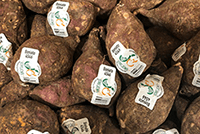
Truth be told, carrots, potatoes, beets and turnips can’t take Florida’s summer heat. Up north they may be staples in the June veggie patch, but here they’re winter crops. For some summer alternatives, consider sweet potato, boniato and cassava.
Boniato is a relative of sweet potato and very popular in South Florida. It can be used as a sweet potato substitute in recipes. The main differences are color and texture. Boniato’s flesh is white and fluffier than that of sweet potato.
Cassava, also called yucca or manioc, produces edible starchy, tuberous roots. They’re prepared after boiling and then baked, mashed or fried, like potatoes.
Leafy Greens
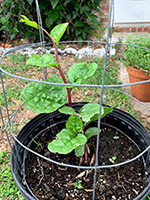
When temperatures climb, amaranth and tropical spinaches are at their best. Amaranth greens are commonly eaten as boiled greens. The striking tricolor variety deserves a place alongside your ornamentals, too.
Tropical spinaches are cold sensitive, but in South Florida they may be grown as perennials. Species include the Malabar spinach vine (Basella alba and B. rubra), Okinawa spinach (Gynura crepioides) and longevity spinach (Gynura procumbens). Established collards can also take the summer heat. And did you know sweet potato leaves are edible, too?
These greens are good substitutes for cool-weather lettuce and spinach and can keep you harvesting leafy greens all summer long.
Squashes
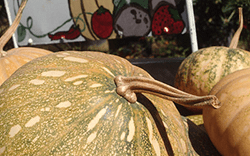
Despite its name, “summer squash” doesn’t thrive in Florida during the summer. But long after it’s too hot to plant zucchini, tropical squashes thrive.
Calabaza, Seminole pumpkin, long squash, chayote and luffa could be the stars of your Florida summer garden instead. Stored indoors, Seminole pumpkins and calabaza will last long enough to be used at Halloween and Thanksgiving. And if your luffa grow too tough to eat, let them dry out and you’ll have sponges for months.
Tomatoes
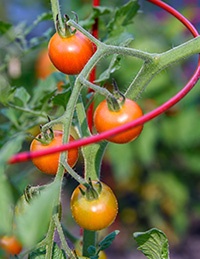
This popular vegetable is another crop that doesn’t perform well in our steamy summer months. Wilts, pests and the relentless summer humidity all contribute to Florida gardeners’ struggles growing tomatoes. Instead of traditional varieties, try tomatillo, cherry tomatoes or the tiny Everglades tomato. For a more traditional tomato crop, ‘Heat Wave II’, ‘Sun Gold’ and other heat-tolerant varieties are good options.
Beans and Peas
Beans and peas are among the easiest plants to grow and saving seeds is a breeze. Southern peas, winged bean, long bean and pole beans are good choices for summer gardens. Heat-tolerant varieties such as ‘Rattlesnake’ pole beans are also available.
Southern peas include crowder peas, cream peas and black-eyed peas. Their pods can be eaten whole when young and green or once mature the peas can be shelled from the husks and eaten fresh or dried.
As legumes, beans and peas also fix nitrogen in the soil. They make good summer cover crops, enriching the soil for your cool-weather plantings. And climbing beans are also a component of an iconic American planting combination: the three sisters.
Uniquely Florida
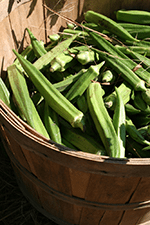
Florida’s subtropical climate lends itself to vegetables that you rarely find elsewhere in the continental US. To make the most of our warm weather, try summer crops like okra, roselle and sugarcane.
There are also a number of Florida-Friendly pepper varieties that work well in our climate. ‘California Wonder’, ‘Red Knight’ and ‘Big Bertha’ are bell peppers that grow well in Florida gardens. Other sweet peppers include ‘Sweet Banana’, ‘Giant Marconi’, ‘Mariachi’ and ‘Cubanelle’.
If you are more interested in growing hot peppers, try the jalapeno varieties ‘Early Jalapeno’ or ‘Jalapeno M’. Hot chilies like St. Augustine’s famous datil peppers are also great options. Plants like these help Florida gardeners celebrate and enjoy what makes our state unique.
Where can I find seeds?
Seeds for some of these less-common plants are not generally found in nationwide big box stores. Instead, look for them in local garden stores, southern-specializing seed catalogs and plant swaps. For more ideas for finding uncommon seeds, check out our article on seed sources.
Growing vegetables during Florida’s hot months does not have to be a struggle. Trying some of these heat-tolerant vegetables can make your gardening experience more efficient and productive. For more information on summer vegetable gardening, contact your county Extension office.