
Winter Squash

Squash are classified into two groups depending on their shelf life. Winter squash have hard rinds and will keep for up to six months. Thus, they can be stored and eaten in the winter, when — in the northern states — the weather is too cold for harvesting fresh squash.
Then there are “summer” squash. These vegetables have much thinner rinds, so they don’t stay fresh and must be eaten shortly after harvesting. Up north, harvest time for these thin-skinned crops was at the end of the summer, hence the name.
But here in subtropical Florida, summer is definitely not the time for squash. They don’t usually do well in the intense summer heat or in the rainy season. In subtropical climates, both summer and winter squash are planted and grown in the cooler months. If you’re hoping to grow a squash through the warm season, consider a tropical variety like Seminole pumpkin, calabaza or chayote.
Characteristics
Winter squash are typically vining plants that require considerable growing space. Like cucumber, watermelon and other members of the cucurbit family, these vines have large, wide leaves.
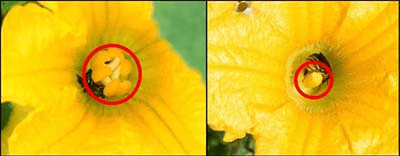
Squashes also have separate male and female flowers and most require pollination by bees. Both the male and female flowers are yellow and bell-shaped. You can tell them apart by looking at the reproductive structures found in the center of the petals.

Popular types of winter squash include butternut, acorn, pumpkin and spaghetti. They usually have orange or yellow flesh, and come in many flavors, shapes and sizes. They’re very nutritious and provide vitamin A, vitamin C and potassium.
Acorn squash varieties that do well in Florida include ‘Table King’, ‘Table Queen’ and ‘Table Ace’. Butternut squash varieties for Florida include ‘Waltham’ and ‘Early Butternut’. Look for varieties that advertise disease resistance.
Planting and Care
In North Florida, plant winter squash between February and April in the spring or between August and September in the fall. For gardeners in Central Florida, January through April and August through September are the planting seasons. In South Florida, plant winter squash anytime between August and March. Squash plants will not survive a freeze, so keep your estimated first frost date in mind as you plant. If you sow seed later in the planting season, consider choosing an early-harvest variety.

Sow squash seeds directly into the soil in a location that receives at least six hours of sun per day. Because of their vining growth habit, squashes require plenty of space to grow. For small gardens, build a trellis, or look for bush or semi-vining types.
If your plants are not setting fruit, poor pollination may be the problem. Planting flowers nearby may help attract wild bees. Avoid using pesticides that may deter pollinators, too. If fruit set is still low, hand pollination is another option.
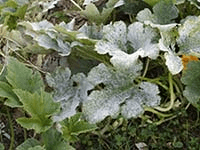
Caterpillars, white flies and squash vine borers can quickly damage your winter squash crops. Fungal and bacterial infections are also common in the warm, wet months of the year. Bacillus thuringiensis (Bt) works well to combat caterpillars that commonly attack squashes. Be proactive and scout regularly if you’d like to keep your harvests yields high.
Squashes are ready to harvest about 85–120 days (three to four months) after you sowed your seed. The skin on the squashes should be hard, not easily pierced with your fingernail. Often the stem will harden and dry out, too.
For more information on growing winter squash, please contact your county Extension office.
Also on Gardening Solutions
- Chayote
- Powdery Mildew vs Downy Mildew
- Pumpkins
- Seminole Pumpkin
- Summer Squash
- Three Sisters for Florida
- Vegetable Gardening by Season
More from UF/IFAS
- Harvest and Handling of Calabaza (Tropical Pumpkin)–Ask IFAS
- Healthy Harvest: Florida Cucurbits–Ask IFAS
- Home Vegetable Garden Techniques: Hand Pollination of Squash and Corn in Small Gardens–EDIS Archives
- Pollination of Cucurbita spp. (Squash and Pumpkin) Crops in Florida–Ask IFAS
- Squash, Spaghetti — Cucurbita pepo L.–EDIS Archives
- UF/IFAS Bookstore — “Squash: 50 Tried and True Recipes”
Please note that publications on EDIS Archives are shared for general interest only. They are no longer updated, and planting dates and other details may have changed.