
Vanilla
Vanilla in Florida? Yes!
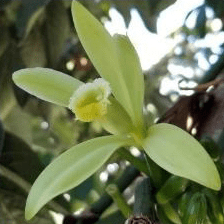
The world’s most popular flavor is also one of the most expensive. Second only to saffron, vanilla is the most valuable edible on Earth. In fact, real vanilla is so pricey that synthetic vanillin is more common. Today, most of the vanilla in grocery stores is lab-created. Less than 1% of vanilla offered comes from the original source: the vanilla orchid.
The Vanilla Orchid
Vanilla planifolia is the plant responsible for natural vanilla flavor. This vining orchid grows in South Florida (zones 10a to 11a), climbing up host trees and flowering in the branches. The leaves are oval shaped, bright green and range in length from 3 to 24 inches. The bell-shaped blooms come in white, yellow or pink.
Botanically, vanilla is considered “semi-epiphytic.” This means gardeners can plant it in the ground or grow it as an epiphyte, an air plant. The vine is perennial and can reach a length of over 200 feet. Natural vanilla extract comes from the seed pods of the orchid. These pods are the “vanilla beans.”
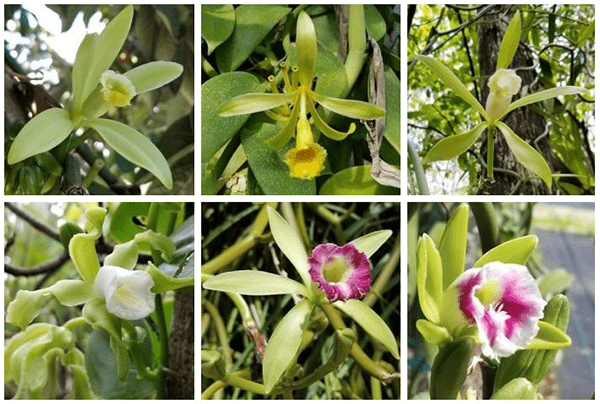
Vanilla is native to the Americas, but today the source of this familiar flavor is exotic. Mesoamerican peoples in modern-day Mexico were the first to harvest vanilla. European explorers learned of it by the early 16th century, and it became so popular that merchants tried to grow it in greenhouses. Production soon spread to European colonies in Africa and Asia.
Today, Madagascar and Indonesia produce most of our planet’s vanilla. There, growers cut, cure and ship the beans around the world. The cost of shipping is part of what makes this spice so expensive, along with theft and waste, reducing the amount available. Some vanilla is grown in Hawaii and Puerto Rico but researchers hope moving production to the continental U.S. would lower the price and make the supply more sustainable.
Vanilla’s Homecoming

Good news for Florida growers: vanilla production may be coming home soon! The UF/IFAS Tropical Research and Education Center (TREC) has begun working with vanilla. Dr. Alan Chambers and his TREC team are trialing multiple species, with the goal of providing Florida growers with varieties designed for large-scale production.
This doesn’t mean that vanilla must be left to the pros, however. South Florida’s hot and humid weather is perfect for orchids, including vanilla. Florida’s swamps are home to four native species: V. barbellata, V. dilloniana, V. phaeantha and V. mexicana. Unfortunately, these species are all endangered, making it illegal to gather them from the wild.
So how do we add these orchids to our home garden?
Vanilla in Your Home Garden
Luckily, gardeners can purchase nursery-produced Vannila planifolia as potted plants or cuttings. Large cuttings (24 to 36 inches) can root and flower in two to three years, while smaller cuttings will take longer, likely three to four years. In general, vanilla begins to flower when the vine diameter reaches 0.25 to 0.5 inches.

Plant your vanilla vine at the base of a support structure. Like many orchids, vanilla prefers areas with good air flow and bright, mottled shade. A garden tree or shaded trellis will work well. Once rooted, these lovely orchids are low maintenance, requiring very little watering, pruning or fertilizing.
Vanilla orchid flowers are large and fragrant. Each flower lasts for only one day but V. planifolia will go on flowering for about two months. Some species can flower for even longer periods of time. And once flowering is over, the plant begins producing its famous fruits, vanilla beans.
Vanilla-bean production is certainly not for the impatient. Once the plants flower, they must be pollinated by hand. Successfully pollinated flowers will produce a bean that takes about nine months to mature. The four-step curing process takes another few months. It’s a long process, but for the dedicated gardener it can be a rewarding one.
DIY Vanilla Extract
According to Dr. Chambers, “It doesn’t take much effort to produce your own vanilla beans, and soon you’ll be baking with natural vanilla extract from your own garden. Otherwise, we hope to see home-grown vanilla available in just a few years.”
But don’t let the wait for home-grown vanilla deter you from making your own extract today. Making vanilla extract from store-bought vanilla beans is actually very simple. In addition to the beans, you’ll also need a dark glass bottle and enough standard-proof vodka to fill it.
Cut the beans open lengthwise (and into smaller pieces if necessary) and add them to your bottle. Next, fill the bottle to the top with vodka. Store the bottle in a dark cabinet, shaking it a couple times a week. In about two months you will have homemade vanilla extract. Keep your extract in the dark to preserve the flavor for as long as possible.
For more information on growing vanilla, see the links below or contact your county Extension office.
