
Heirloom Vegetables

For centuries, gardeners have collected the seeds of the best-tasting, best-performing vegetables for future planting. Heirloom vegetables are varieties that have come from these seeds, passed down for many generations.
Heirlooms are open-pollinated, meaning they are naturally pollinated by insects, birds, wind and other natural means. These plants came about after years of growers saving the seeds of the varieties they like. Heirloom vegetables are usually selected for flavor, vigor, visual appeal and nutrition.
Hybrid varieties, on the other hand, are pollinated in a controlled manner and often designed to aid commercial growers with traits that make the vegetables more uniform, easy to pack and ship, and resistant to certain diseases and pests. This means they may be sturdy, but not always tasty.
Heirloom varieties that have been cultivated for many years in a particular region or microclimate are well-suited to that area’s soil and climate. And unlike hybrid varieties, which may not produce the same traits in their offspring, the seeds of heirloom vegetables (and any open-pollinated variety) can be saved and planted next season.
For many gardeners, heirloom vegetables are a cherished link to the past and a way to carry on cultural traditions. Saving seeds of heirloom varieties, especially those of plants that perform well in the face of stress, also preserves genetic biodiversity and increases climate resilience. This in turn strengthens our food reserves.
Having a diversity of seeds with varying traits could save plant species in the case of mass devastation of crops from climatic events, pests or disease. This is why it is important to save alternative varieties beyond the main commercially grown plants. The wider the gene pool, the greater the potential for traits more suited to the changing conditions.
The range of commercial food crops across the globe is quite narrow, and many heirloom varieties have been lost. Saving heirloom vegetable seeds not only benefits you, it also plays a role in protecting future generations of plants and people. According to Melissa DeSa, seed and gardening director with Working Food, a non-profit aimed at cultivating a resilient local food community in North Central Florida, “we are actively creating the heirlooms of tomorrow, by saving seeds now.” Heirlooms are not stuck in time, but rather ever-changing. Learn more in our article on saving your seeds.

Since heirloom varieties are often passed down and shared informally, they can vary significantly across the region and are given different colloquial names. For this reason, many varieties are hard to list. You are better off finding a company or organization that specializes in heirloom seeds and exploring the options.
A few organizations that specialize in old or heirloom varieties include Working Food, Sow True Seed, Two Seeds in a Pod and Southern Exposure Seed Exchange, to name a few. Otherwise, most major seed companies do at least offer some heirloom varieties. You could also attend a seed exchange in your community or visit a seed library to obtain locally sourced seeds.
With that being said, we did nail down a few heirloom varieties recommended by experts. These include (but are not limited to):

- ‘Contender’ bush beans
- Seminole pumpkin
- Heirloom tomatoes like ‘Everglades’
- Datil pepper
- ‘Clemson Spineless’ okra
- ‘Black Beauty’ eggplant
- Roselle/Florida cranberry
- Sweet cassava
- Feaster Family Heirloom mustard greens
- Southern peas such as whippoorwill pea (cowpea) and Florida conch
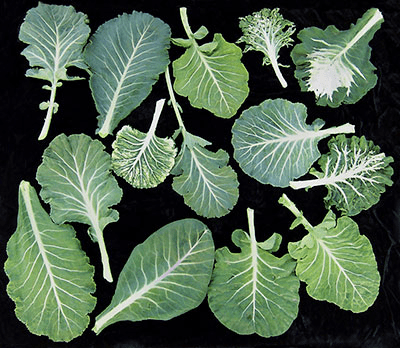
- Any and all heirloom collards
The art of saving and planting heirloom seeds is a cherished pastime and a continuing tradition by many growers. To find out more information about heirloom vegetables for your area, contact your local UF/IFAS Extension agent.

Also on Gardening Solutions
- Bush Beans
- Cassava
- Collards
- Eggplant
- Everglades Cherry Tomato
- Greens
- Hot Peppers
- Okra
- Passalong Plants
- Roselle
- Seed Saving
- Seminole Pumpkin
- Southern Peas
- Tomatoes
More from UF/IFAS
- Florida Vegetable Gardening Guide
- Heirloom Tomatoes: the Good, the Bad, and the Ugly–UF/IFAS Blogs Orange County
- Yes, There are Heirloom Hot Peppers for Florida–UF/IFAS Blogs Nassau County
Elsewhere on the Web
- Heirloom Vegetables in the Home Garden–University of Georgia Extension
- SeedSaversExchange.org (Non-profit national organization)
