
Collards
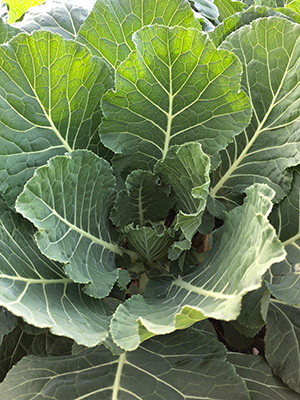
No vegetable says Southern cooking like collard greens. This cool-season crop is a staple in many Florida homes and has been established in kitchens throughout the South since the 1700s. It’s packed with vitamins and minerals and is an excellent source of dietary fiber.
Collard greens (Brassica oleracea var. viridis) are in the Brassica (cabbage) family, which also includes broccoli, cauliflower, bok choy, Chinese cabbage, kale, kohlrabi, mustard greens, radishes and turnips. Collards are low maintenance and are a perfect food for the fall and winter.
Collards have a mild, semi-smoky flavor and are sweeter when cooked. Eating collards raw is less popular, as they tend to be bitter. This vegetable is versatile in the kitchen and can be sauteed or used in soups, stews and casseroles. Braised collard greens are a classic Southern side dish that involves slowly cooking the greens in a savory liquid, often with vinegar and pork.
Planting and Care
Plant collard greens outdoors in the fall and winter: September-April in North Florida, September-February in Central Florida and September-January in South Florida. Space the plants about 12 to 24 inches apart to allow them to reach their full size. They prefer full sun and organic soil amendments like compost. Collard greens do well with moist soil and a complete fertilizer that includes a moderate amount of nitrogen.
When planted from seed, these greens will generally be ready for harvest in 70-90 days. As transplants, it will take about 50-70 days. When snipping off the leaves, choose the older ones on the outer rim, to allow for new growth from the center. The collards will continue to provide fresh leaves throughout the growing season. You could even stagger the planting every couple weeks to allow continuous harvesting for many months.
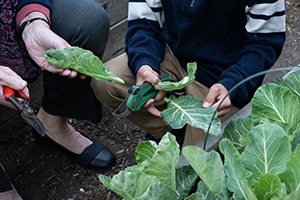
For the best-tasting collards, harvest the leaves when they are young (about 10 to 12 inches long), before they become tough and woody. It also helps to pick collards during cold months, after the first frost. Frosts can actually convert the starches into sugar and improve the taste of the greens.
It’s best to store the leaves whole and unwashed in the refrigerator until you are ready to use them. They should last from a few days up to a week. In preparing the collards before eating or cooking, be sure to thoroughly wash them in a bowl of water in multiple cycles to make sure your food is not gritty. Avoid eating collards that are yellowed, wilted, dried or have insect damage.
Cultivars that do well in Florida include ‘Georgia Southern’, with its tender, large leaves. ‘Vates’ is more compact and suitable for smaller gardens, while ‘Alabama Blue’ has a visual appeal with interesting bluish leaves and streaks of purple. ‘Champion’ has improved cold tolerance and disease resistance, and ‘Top Bunch’ replenishes quickly after harvest.
Controlling weeds in your garden beds by hand-pulling is a good way to keep your collard greens healthy. Potential pests include leaf-feeding beetles as well as caterpillars such as cabbage loopers, diamondback moths, armyworms, cutworms and cabbage webworm. The leafy greens also attract aphids, white flies and stink bugs. Integrated Pest Management (IPM) is a great method to controlling pests without using harmful chemicals.
Collard greens are both nourishing and tasty, as well as rich in culture and southern charm. This comfort food can be easily grown and provides a rewarding winter harvest. For more information about growing collard greens, contact your local UF/IFAS Extension office.